

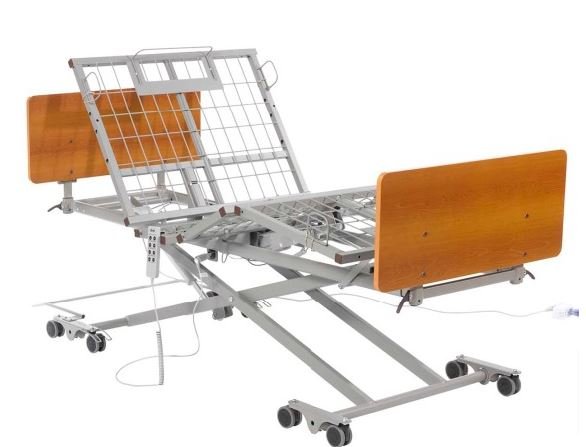
Choosing to bring a hospital bed for home use is a big decision—it is generally made during the time of caring for and helping someone you love recover. It’s not just a piece of furniture; it’s an instrument of safety, comfort, and independence. With so many out there, it can feel overwhelming to make the right choice.
This guide will help you make a confident, informed decision that benefits both the patient and the caregiver.
1. The Most Important First Step: Consult a Medical Professional
Before you so much as look at a bed, the first person you should call is the patient’s doctor or occupational therapist. They are also able to issue a prescription (something that is usually necessary for insurance) and can make concrete recommendations based on the patient’s medical condition, mobility, and care requirements. They will tell you what to have, such as
- They will inform you whether patient placement is necessary, including options such as supine or upright positions, particularly for cardiac care.
- Mattresses especially designed to prevent pressure sores (bedsores).
- There are weight capacity requirements to consider.
Know the Different Types of Hospital Beds
For hospital beds, it’s all about how they move. Which is a beneficial kind?
Manual Beds: These come with hand cranks to allow adjustment of the head and foot sections. No-prep to none are the least expensive options but take work on the part of a caregiver.
Best for: Patients who don’t require frequent position changes and where budget is a priority.
Semi-Electric Beds: This option is most commonly used for home care. The head and foot ends are operated with a push-button handset, while the height of the bed is adjusted via a crank handle.
Best for: The perfect mix of convenience and cost. It provides the patient full control of their position and back and leg rest and is ideal for seniors who will have a hard time maneuvering around.
Full-electric beds: Head, foot, and height are adjustable electronically with a remote. This provides the patient with the most convenience and independence and is most easily managed by a caregiver.
Best for: Patients who require frequent repositioning or have minimal caregiver support. Also great for bariatric patients where adjusting the clamp would be cumbersome.
Prioritize Patient Safety and Comfort
A hospital bed is an essential item for injury and healing prevention.
- Side rails are essential to avoiding patient falls and may also help patients get back into position. Try to opt for versions with adjustable, removable rails.
- Locking Wheels (Castors): A bed with sturdy locking wheels is essential. This feature will enable you to roll the bed away for cleaning and then lock it in an open position.
- Low-High Range: It is essential for safety to be able to lower the bed near the floor to prevent or minimize injury from a fall. Being able to bring it up to a comfortable level for caregivers saves on back strain when offering assistance with dressing or grooming.
Don’t Forget the Mattress
(You only get halfway with the bed frame. The mattress will be the thing that people essentially touch and feel, so it’s important for comfort as well as health.
Type Of Mattress: Traditional innerspring mattresses are popular; however, an alternating pressure mattress or a low air loss mattress may be medically necessary for high-risk pressure sore patients.
Compatibility: Make sure the mattress dimensions (35 x 80) fit your cot frame head to foot perfectly. A mismatch could be dangerous.
Waterproofing & Hygiene: A waterproof, anti-microbial coating is a must for hygiene and helping to disinfect the surface easily.
Consider the Patient’s Specific Condition
Again, the patient’s diagnosis should have a direct bearing on your selection.
- Bariatric Patients: Bariatric patients need high weight capacity (e.g., at least 500 lb) and extensive framed beds/mattresses.
- Advantage of Such A Bed: Along with the need for providing a heavy-duty bed/mattress for these types of patients, there is a higher risk associated with cases of falls, etc.
- Cardiac and Long-Term Respiratory Patients (i.e., COPD, CHF): These people will be best served by a bed that can provide Trendelenburg and reverse Trendelenburg positioning; this is where the whole bed frame tilts to help circulation/breathing (…usually in half-degrees).
- Patients with Neurological Conditions (i.e., ALS, MS): May require advanced features such as a bed that is capable of helping them into an upright position or one that will keep in motion to prevent stiffening.
Factor in the Caregiver’s Needs
Caregiving is physically demanding. The right bed can make a world of difference.
- Adjustability: Electric removes a lot of the physicality from things.
- Bed heights: The lifting mechanism allows the caregiver to raise the patient to a level that prevents them from bending over, thereby protecting their back.
- Accessibility: Think about what accessibility is afforded by the bed and how it sits in the room. Do all sides have adequate clearance for the caregiver to move around freely?
Navigate Insurance and Payment
If they’re judged “medically necessary,” hospital beds are frequently covered by insurance.
- Medicare/Medicaid: May reimburse some of the cost for a standard semi-electric bed. You will require a doctor’s prescription, and you must rent or buy from a Medicare-approved supplier.
- Private Insurance: Coverage varies widely. Compare DME (Durable Medical Equipment) benefits, co-pays, and deductibles with your insurance.
- Rent vs. Buy: If it’s less than 6 months, renting is always cheaper. For long-term care, it’s generally cheaper to buy.
Prepare Your Home Space
Finally, measure twice, buy once!
Room Measurement: Take measurements of the length and width of the room; remember to measure doorways as well in order for the bed to be delivered. Place additional furniture if desired, and there is still enough walking space.
Outlets: Be certain that the patient has an outlet for an electric or semi-electric bed. An additional battery is also a beneficial purchase for blackouts.
A Final Thought
Picking a hospital bed for home care is an act of love. It’s very much about establishing a safe and comfortable, yet dignified environment for somebody you love. Taking into account these various needs and having the assistance of healthcare professionals allows you to choose a bed tailored to your medical requirements while maintaining an enhanced quality of life.
