

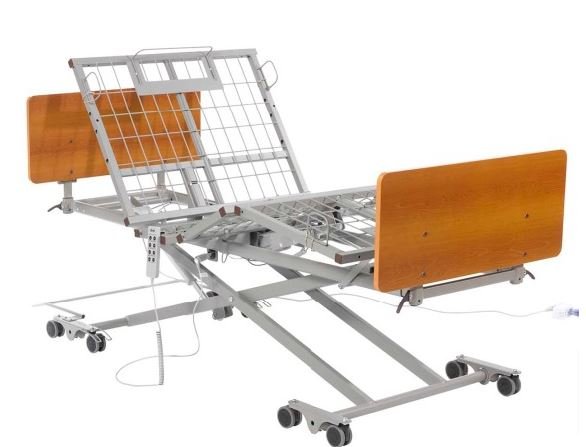
When caring for a loved one at home, it’s common to need certain medical equipment to assist with their care. The hospital bed, one of the most commonly used and effective pieces of equipment, makes caregiving easier for you and life more comfortable. But muddling through the process of renting one in Canada can be confusing. Here’s a guide to some of the most important things you should consider before deciding.
Understanding the Funding Options
Before you hit the stores, it’s important to figure out how the rental will be covered. Not all provincial health plans automatically cover the cost of renting a hospital bed, so knowing where your funding stream will be coming from is the first vital step.
- Coverage Under Provincial Health Plans: A physician may approve any portion of the cost if it is considered medically necessary. They are varied across the provinces in terms of how Toronto is covered. For example, programs like Ontario’s Assistive Devices Program (ADP) provide funding, but users must meet eligibility criteria.
- Health benefits under a private insurance plan (such as provided by an employer or purchased privately) will usually cover, either directly or through 3rd party billing, the costs associated with the rental of certain types of medical equipment. Check your policy for coverage limits and if you need a doctor’s note.
- Out-of-Pocket: You’d pay rent if you had no insurance or insufficient coverage. (One avenue to explore: getting a complete itemization of any and all fees from your rental company.
Finding the Right Rx and Dx
You can’t just let the equivalent of a hospital bed go without proper authorization. It must be medically necessary, with a physician’s certification stating that there is a need to rent a hospital bed.
- Doctor’s Prescription: You need a prescription from an accredited doctor (sometimes a nurse practitioner). This prescription will specify the medical necessity and may include details such as the required bed protocol for the patient, along with special features like: Poll Pads, Hospital Beds & SPS Beds are listed together for your convenience.
- OT Eval: I love these therapists. They can assess her home situation and tell the patient Torontokind of bed is called for and Torontoit should have (raising head and foot sections; lifting the bed to a sitting position)—as well as how to set everything up correctly for best results.
Choosing the Bed Type and Features
Not all hospital beds are suitable for every patient; determining which bed is best depends on the specific health and mobility issues of each patient.
- Manual vs. Electric: Manual beds are operated through hand cranks to shift positions and tend to be cheaper. Electric beds are one-button operated and simple to operate for the patient as well as the caregiver.
Key Features to Consider:
- Head and Foot Adjustability—The patient can sit or be positioned inclined at 60° with alternatively elevated/lowered legs.
- Height Adjustable—This is important for the comfort of the caregivers’ backs and the ease with which patients step in/out.
- Side Rails: Prevent falls and ease getting in and out of bed.
- Do not forget about the max weight capacity: Get a bed that can support your patient’s weight.
Selecting a Reputable Rental Company
The rental company of your choice will handle everything, from delivery to post-rental support.
- Verify whether the companies have Accreditation Canada accreditation or are members of the Canadian Home Care Association. That means they have achieved some quality in their service and care.
- TorontoYou Get: Inspect the delivery, setup, and maintenance. Will they teach you the bed? How do they handle repairs? Is 24/7 support available?
- Clear and honest pricing: Receive an itemized quote that includes the monthly price of rental, the delivery fee, and the pick-up fee (if applicable), as well as any damage or maintenance fees.
Renting a hospital bed is vital to providing care to those in and around Carroll who need it most. Knowing the funding environment, obtaining adequate professional assessments, and selecting suitable equipment from a reputable supplier can make sure that the process aids the health of both the patient and the caregiver’s peace of mind.


