

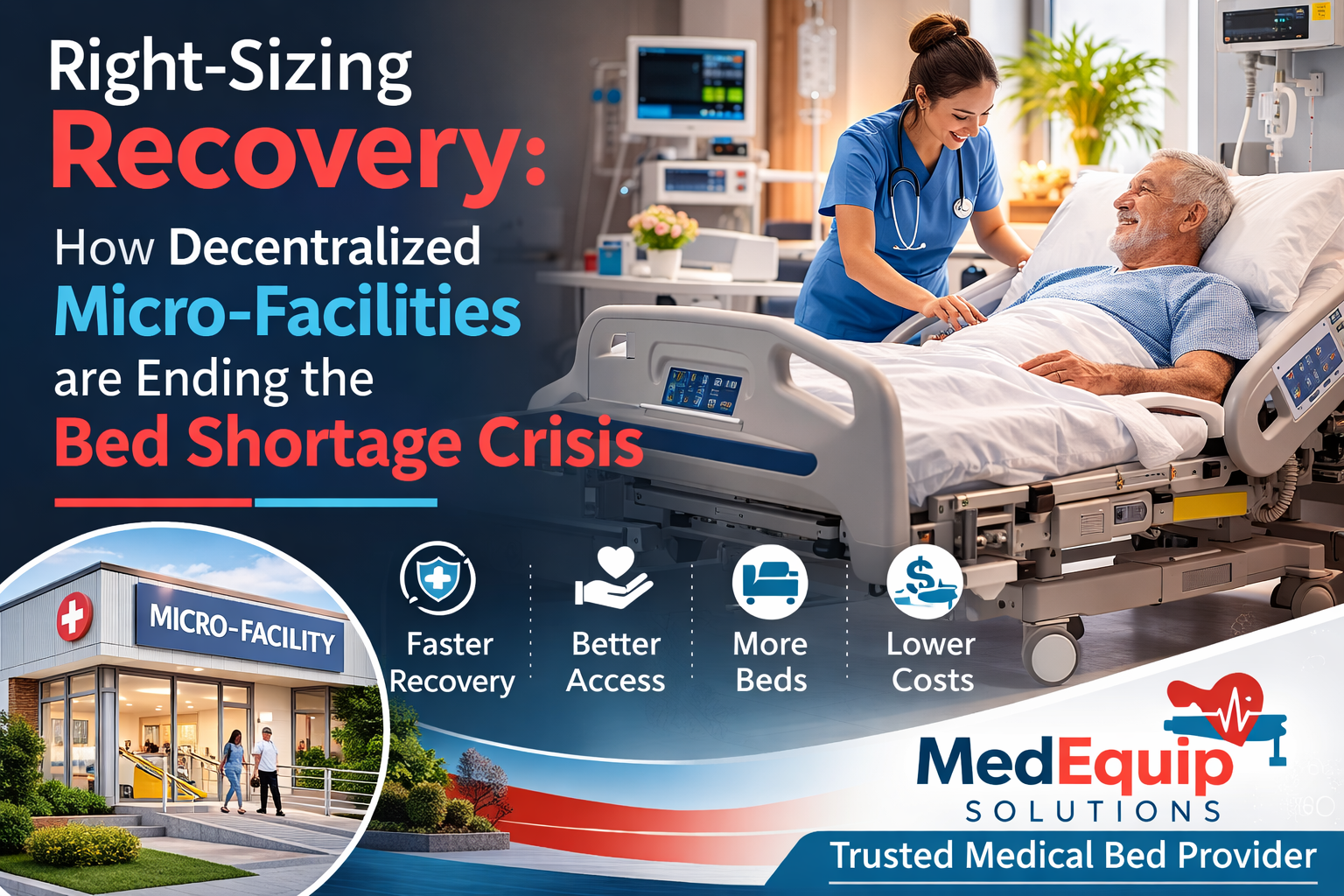
The year 2026 is a pivotal moment in Canadian healthcare. Urban overcrowding and a chronic shortage of available inpatient beds had characterized decades of “hallway healthcare.” But a shift to decentralized micro-facilities is finally providing an answer. Those who “right-size” recovery, as Ontario is doing, are abandoning the huge and heavily bottlenecked hospital model in favour of nimble neighbourhood clinics. These facilities serve as pressure-release valves, reserving acute-care beds for the most urgent needs and providing a swifter path to healing at home.
The Rise of the Micro-Hospital: A 2026 Perspective
By 2026, the community micro-hospital is the new norm for local care. These facilities usually have 8 to 15 beds at best and provide stabilization, diagnostics, and short-stay recovery. Micro facilities differ from the “mega-hospitals” of past decades by becoming embedded in residential neighbourhoods and diagnostics, greatly minimizing travel time and administrative bottlenecks. neighbourhoods, bottlenecks.
These decentralized units have reduced emergency wait times by concentrating on one care model—bottlenecks—and a very efficient one at that. Patients who once languished on a stretcher in a hallway for 18 hours are now being admitted, treated, and sent home within days of that. GPs have no choice but to treat at least the speed of this shift, which is more than simply about speed; it involves a quieter, more personalized environment that actively facilitates recovery.
Why Decentralized Care is Winning
Remove the “bed-blocker”—to “bed-blocker.” Effect: Quicker transitions to acute care keep acute beds open for emergencies. emergencies.
- Proximity to Home: Healing near friends, family,family, and familiar surroundings lowers patient anxiety and increases outcomes.
- Operational Agility: Small facilities can respond to seasonal surges (for example, winter flu cycles) in far less time than at large institutions.
- Lower Infection Rates Reduced patient density lowers the risk of hospital-acquired infections.
- Improved Diagnostics: AI imaging, on-site imaging, and rapid labs. No one is “waiting for results” for days.
Bridging the Gap: The Home-Care Ecosystem
A micro-hospital is only as good as the support system that’s available to the patient waiting at home. These facilities have very short stays, so the transition to the bedroom cannot be funky. This is where the local medical supply chain becomes a critical clinical partner.
A hospital bed rental provider in Markham and the GTA is an essential component of this chain for families in the York Region. After discharge, patients require a clinical-grade environment to continue their healing process. Owning a home in Markham and the homes provides safety similar to that of a micro-facility but with the comfort and privacy you would find in your own sanctuary. This “home first” strategy lies at the heart of the 2026 healthcare revolution, allowing patients to right-size their recovery experience without compromising quality.
Smart Technology at the Bedside
The advancements of smart bed technology are one of the reasons home-care models and micro-facilities have prospered in 2026. Modern medical beds are no longer just static pieces of furniture; they’re active teammates within the care process.
Many modern rentals come equipped with integrated sensors that can alert caretakers if a patient is trying to make an unsupervised exit or home care hasn’t moved for a dangerously short amount of time. These “talking-back beds” alert caretakers in real time, helping prevent falls and pressure injuries before they occur. This featured level of monitoring used to require a high-acuity ICU; now, in 2026, it is available to anyone through the local rental service.
2026’s Essential Bedside Features
Predictive Pressure Sensing: Automatically micro-adjusting the mattress surface to prevent skin breakdown.
- Zero-Gravity Positioning: Aids cardiovascular or respiratory patients by reducing pressure to the spine and promoting better circulation.
- Telehealth Integrated Ports: Enabling the remote doctors to view bed-mounted data during the tele-consult.
- Ultra-Low Height Settings: Reducing the risk of injury for patients with cognitive impairments or balance-related concerns.
- Silent Motors: Ensure that your mechanical adjustments do not disturb a patient’s’s vital restorative sleep.
Decentralized Recovery: The Economic Argument
Cross-cutting recovery is not only a clinical victory butalso an economic imperative. The average cost to maintain a patient in a micro-facility or at home is modularly lower than the same need within a traditional acute-care hospital. By changing the “site of care,” the province could reallocate dollars toward advanced diagnostics and specialty staffing.
For the individual family, working with a hospital bed rental provider in Markham and the GTA GTA provides an affordable, flexible alternative to buying expensive equipment. As the patient’s recovery needs change, they can exchange or return the equipment, ensuring that their home environment always matches their current mobility level. This flexibility is critical for managing the financial aspects of long-term care in 2026.
Creating a “Showroom-Ready” Home Environment
The leap from a slick, high-tech micro-facility to one’s own home bedroom can be jarring. To sustain the recovery high, the at-home space needs to be “showroom-ready”—tidy, clean,—tidy, clean, and energizing. It also takes really thinking about other elements of the environment—not—not just a bed but lighting, reach zones, and caregiver support tools.
And because a professional rental provider does the heavy lifting — from sanitization to technical setup — the family can focus on what matters: the patient. When the bedroom resembles a professional suite instead of a horrid storage room, the patient feels more like a person in recovery than someone with “a medical case.”
Conclusion
The end of the bed shortage crisis is finally visible on the horizon thanks to decentralized micro-facilities and well-integrated local care networks. By right-sizing recovery, we are making sure that every patient gets the care they need in the setting they need at the time they need it.
Whether you are looking for a discharge from a local micro-hospital or searching for a hospital bed rental provider in Markham and the GTA to help care for a loved one at home, the trend is clear in 2026: accessibility, dignity, and cost-friendly solutions. We aren’t waiting for the system to evolve; we’re constructing a new system that takes the hospital to the home.The year 2026 is a pivotal moment in Canadian healthcare. Decades of “hallway healthcare” had come to be characterized by urban overcrowding and a chronic shortage of available inpatient beds. But a shift to decentralized micro-facilities is finally providing an answer. Those who “right-size” recovery, as Ontario is doing, are abandoning the huge and heavily bottlenecked hospital model in favour of nimble neighbourhood clinics. These facilities serve as pressure-release valves, reserving acute-care beds for the most urgent needs and providing a swifter path to healing at home.
The Rise of the Micro-Hospital: A 2026 Perspective
By 2026, the community micro-hospital is the new norm for local care. These facilities usually have 8 to 15 beds at best and provide stabilization, diagnostics, and short-stay recovery. Micro facilities differ from the “mega-hospitals” of past decades by becoming embedded in residential neighbourhoods and diagnostics, greatly minimizing travel time and administrative bottlenecks. neighbourhoods, bottlenecks.
These decentralized units have reduced emergency wait times by concentrating on one care model—bottlenecks—and a very efficient one at that. Patients who once languished on a stretcher in a hallway for 18 hours are now being admitted, treated, and sent home within days of that. GPs have no choice but to treat at least about the speed of this shift, which is more than simply about speed—to a quieter, more personalized environment that actively facilitates recovery.
Why Decentralized Care is Winning
Remove the “bed-blocker”—to “bed-blocker.” Effect: Quicker transitions to acute care keep acute beds open for emergencies. emergencies.
- Proximity to Home: Healing near friends, family,family, and familiar surroundings lowers patient anxiety and increases outcomes.
- Operational Agility: Small facilities can respond to seasonal surges (for example, winter flu cycles) in far less time than at large institutions.
- Lower Infection Rates Reduced patient density lowers the risk of hospital-acquired infections.
- Improved Diagnostics: AI imaging, on-site imaging, and rapid labs. No one is “waiting for results” for days.
Bridging the Gap: The Home-Care Ecosystem
A micro-hospital is only as good as the support system that’s available to the patient waiting at home. These facilities have very short stays, so the transition to the bedroom cannot be funky. This is where the local medical supply chain becomes a critical clinical partner.
A hospital bed rental provider in Markham and the GTA is an essential component of this chain for families in the York Region. After discharge, patients require a clinical-grade environment to continue their healing process. Owning a home in Markham and the homes provides safety similar to that of a micro-facility but with the comfort and privacy you would find in your own sanctuary. This “home first” strategy lies at the heart of the 2026 healthcare revolution, allowing patients to right-size their recovery experience without compromising quality.
Smart Technology at the Bedside
The advancements of smart bed technology are one of the reasons home-care models and micro-facilities have prospered in 2026. Modern medical beds are no longer just static pieces of furniture; they’re active teammates within the care process.
Many modern rentals come equipped with integrated sensors that can alert caretakers if a patient is trying to make an unsupervised exit or home care hasn’t moved for a dangerously short amount of time. These “talking-back beds” alert caretakers in real time, helping prevent falls and pressure injuries before they occur. This featured level of monitoring used to require a high-acuity ICU; now, in 2026, it is available to anyone through the local rental service.
2026’s Essential Bedside Features
Predictive Pressure Sensing: Automatically micro-adjusting the mattress surface to prevent skin breakdown.
- Zero-Gravity Positioning: Aids cardiovascular or respiratory patients by reducing pressure to the spine and promoting better circulation.
- Telehealth Integrated Ports: Enabling the remote doctors to view bed-mounted data during the tele-consult.
- Ultra-Low Height Settings: Reducing the risk of injury for patients with cognitive impairments or balance-related concerns.
- Silent Motors: Ensure that your mechanical adjustments do not disturb a patient’s’s vital restorative sleep.
Decentralized Recovery: The Economic Argument
Cross-cutting recovery is not only a clinical victory butalso an economic imperative. The average cost to maintain a patient in a micro-facility or at home is modularly lower than the same need within a traditional acute-care hospital. By changing the “site of care,” the province could reallocate dollars toward advanced diagnostics and specialty staffing.
For the individual family, working with a hospital bed rental provider in Markham and the GTA GTA provides an affordable, flexible alternative to buying expensive equipment. As the patient’s recovery needs change, they can exchange or return the equipment, ensuring that their home environment always matches their current mobility level. This flexibility is critical for managing the financial aspects of long-term care in 2026.
Creating a “Showroom-Ready” Home Environment
The leap from a slick, high-tech micro-facility to one’s own home bedroom can be jarring. To sustain the recovery high, the at-home space needs to be “showroom-ready”—tidy, clean,—tidy, clean, and energizing. It also takes really thinking about other elements of the environment—not—not just a bed but lighting, reach zones, and caregiver support tools.
And because a professional rental provider does the heavy lifting — from sanitization to technical setup — the family can focus on what matters: the patient. When the bedroom resembles a professional suite instead of a horrid storage room, the patient feels more like a person in recovery than someone with “a medical case.”
Conclusion
The end of the bed shortage crisis is finally visible on the horizon thanks to decentralized micro-facilities and well-integrated local care networks. By right-sizing recovery, we are making sure that every patient gets the care they need in the setting they need at the time they need it.
Whether you are looking for a discharge from a local micro-hospital or searching for a hospital bed rental provider in Markham and the GTA to help care for a loved one at home, the trend is clear in 2026: accessibility, dignity, and cost-friendly solutions. We aren’t waiting for the system to evolve; we’re constructing a new system that takes the hospital to the home.