

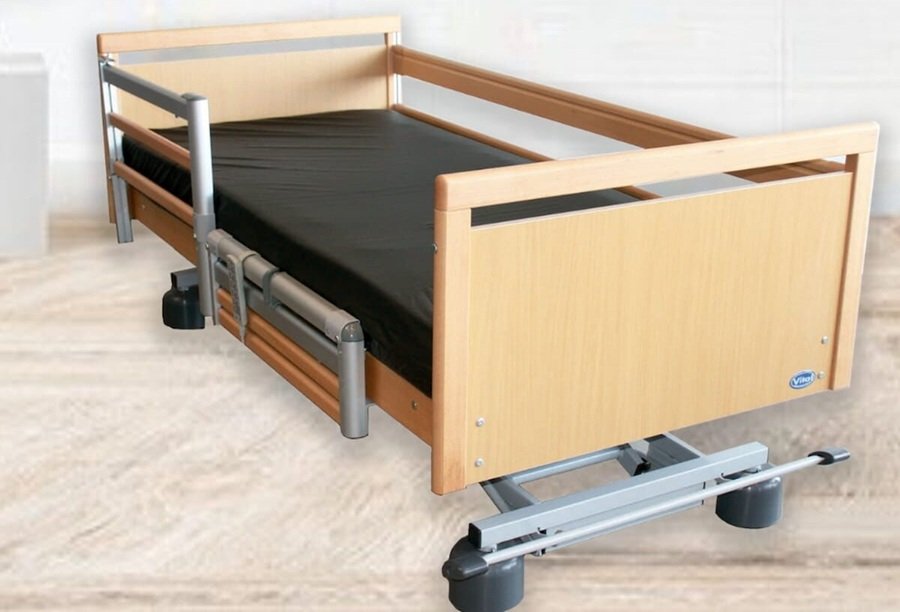
Why does home healthcare present specific challenges when living in densely populated major cities? A common obstacle for many residents in older apartments or new condos. They don’t have a proper loading dock for heavy equipment at their buildings. But the need for medical assistance does not wait for ideal architecture. With proper preparation and communication, though, you can still manage complex deliveries. This guide examines the best ways to introduce key tools safely into tight urban spaces.
Assessing the Urban Care Environment
Efficient urban delivery logistics have to be planned from the very beginning. You have to find every possible bottleneck before the delivery truck shows up. Just try to navigate narrow hallways, small elevators, or a scarcity of parking. So follow that route yourself, from street to bedroom. Take the measurements of each doorframe and inside an elevator.
In the meantime, do you know when to schedule your delivery to avoid rush hour? Many buildings have strict policies on moving large items during rush hour. In other words, coordination with building management is as important as the medical stuff.” They might assist by blocking off an elevator for service or granting access at street level.
Understanding the Financial Landscape
Home care budgeting in a city like Toronto requires local info. Please conduct research on the average hospital bed rental rates in Toronto. Standard models typically start at about $150 to $200 a month. But urban delivery fees can depend on the building’s complexity. Some charge extra if they have to use stairs instead of an elevator.
- Inquire about “white glove” delivery services for high-rise residential buildings.
- Check if a safety demonstration is included in the setup fee.
- Look for “difficult access” surcharges in your rental agreement.
- Ask about the time required for same-day urban deliveries.
Selecting Equipment for Tight Spaces
Typical medical equipment is usually large and unwieldy. That includes gear with a modular or folding design. This permits technicians to retrieve parts one at a time. As a result, they are able to put the unit together inside the patient’s room itself. This avoids the frustration of trying to squeeze a completely constructed frame into an elevator.
Maximizing Comfort with Bundled Packages
When you have numerous deliveries to make within a limited area, efficiency becomes paramount. Choosing the hospital bed with mattress rental package greatly simplifies the logistics. You get the frame and the therapeutic surface in one visit. This cuts down foot traffic and delivery vehicles at your front door. In addition, bundled kits guarantee the mattress is a perfect fit for the narrow frame.
- For the longest sleep, seek pressure-redistribution foam mattresses.
- Use a mattress cover that is waterproof and easy to disinfect.
- If weight is a concern, choose a semi-electric bed.
- The “no-gap” mattress design prevents rail entrapment.
Evaluating Purchase vs. Rental
If the duration of recovery is uncertain, your acquisition strategy will likely shift. Cheap Hospital Bed for Home Use For Sale: You can get a cheap hospital bed for home use locally. Purchasing a bed enables permanent changes to the home environment. But disposing of a bed you’ve bought in a condo can be more challenging. Rather, some city folk have opted for the “rent-to-return” approach to conserve room down the road.
Overcoming Specific Delivery Hurdles
Your greatest asset is communication with the delivery team. Don’t wait until the truck is at the curb to say there’s no dock. Instead, send a full “access brief” as part of your order. This helps the company dispatch enough technicians to your move.
Handling Specialized Bariatric Equipment
Bigger patients often need sturdier equipment so it remains safe and dignified. These are provided in a wider frame alongside a higher weight capacity as compared to normal hospital beds. But these are far heavier and wider than standard units. They frequently need special dollies and several technicians for a safe delivery. You also need to make sure the elevator capacity will accommodate both the bed and your crew.
- Check with building maintenance first about the elevator’s weight limit.
- To accommodate a wider frame, break out the tape measure and ensure that the turning radius in your hallway is sufficient.
- You can also ask whether the bariatric bed is disassembled for transport.
- Test that the bedroom floor can withstand the concentrated weight.
Coordinating Street-Level Access
Since there’s no loading dock, the delivery truck has to park on the street. This frequently involves a city-issued temporary parking permit. In a city with strict parking enforcement like Toronto. So you’ll want to check with the rental company about whether they handle their own permits. Otherwise, you’ll have to create a space on your own with your vehicle.
- Watch for “no parking” signs at certain times of the day.
- If the truck may block the driveway for a short while, alert neighbours.
- There should be a clear, direct path from the curb to the front door.
- Have a “moving” sign to alert pedestrians of the work.
Setting Up for Long-Term Success
Getting the equipment in is one thing: Getting the equipment inside and ensuring its functionality is another matter entirely. The room should stay a place of rest, not a supply warehouse. Store medical items off the floor with vertical storage. That keeps the pathways clear for both the patient and caregiver.
Budgeting for the Long Haul
Good financial planning keeps the equipment in place while it is needed. Always check for long-term discounts offered for hospital bed rental costs in Toronto. Most providers have a three-month term option at a lower rate. In the meantime, if the need becomes long-term, look for an affordable hospital bed for home use. And some rental companies even provide a “rent-to-own” option for clients.
- Evaluate monthly costs against the price of a new purchase.
- Consider the price of replacement filters or accessories.
- Ensure that you have coverage for the delivery fees with your insurance company.
- Retain Rental Receipts for Possible Tax Credits
Maintaining the Equipment
Dusty urban environments are not ideal for mechanical motors. The bed frame, along with the motors, should be wiped down every week. This prevents the accumulation of dust that could lead to overheating or noise. Also wipe down the casters, in case hair or debris from the floor is stuck on. With clean wheels, you can easily move the bed for room cleaning purposes.
- All high-touch surfaces: Medical-grade wipes
- Conduct a monthly test of the emergency battery backup.
- Check for pinching signs in the power cord.
- Lubricate moving parts only if recommended by the manufacturer.
Conclusion
Getting medical deliveries into a no-loading-dock building is a challenge, if not impossible. It’s about early measurements and clear communication with your provider—that’s how you win. The right team can ensure you get a standard or even bariatric hospital bed rental. By preparing for the specific limits of city life, you ensure that your loved one will get the services they require without burdening them with logistical failure. Zeroing in on a safe recovery, and the rest will come into place.
Could I make you a “Condo Delivery Checklist” and send it to your building manager for approval of the medical equipment?